The One Thing Worth Doing Now, Even If You’re Not Ready
Most of the Palisades families we talk to are stuck somewhere.
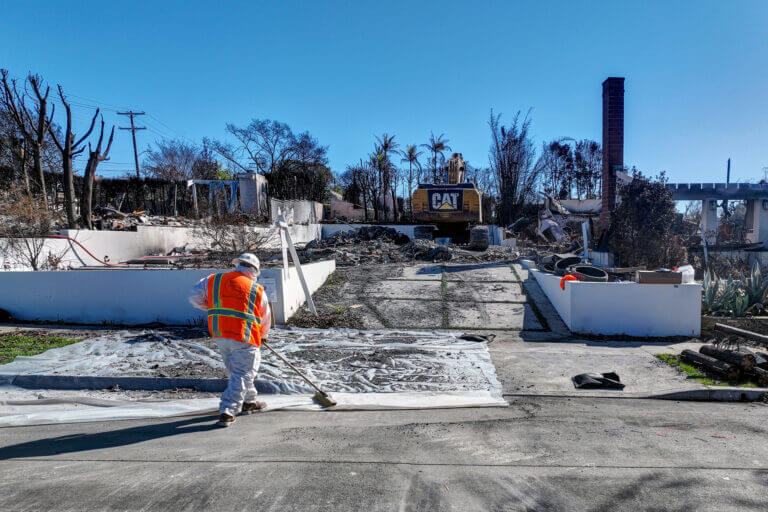
The insurance settlement isn’t finished. The family hasn’t decided whether to rebuild or sell. The lot hasn’t been touched since the debris was removed. The decision about what comes next feels too large to make.
The instinct when you’re stuck is to wait until something is resolved before doing anything. That’s reasonable. The problem is that some of the work has to happen regardless of what you decide. And the longer you wait to start that work, the longer everything else takes when you’re ready.
A site feasibility is one of those things.
What a site feasibility actually is
If you’ve never built before, the term sounds vague. It’s not.
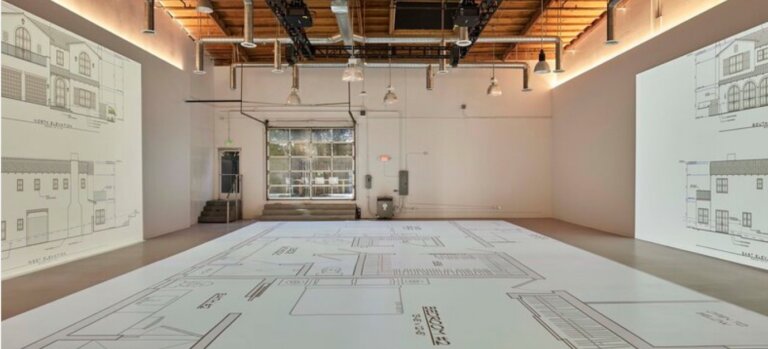
A site feasibility is a structured review of what your specific lot can support. Not what someone thinks it can support based on a Google Maps view. The actual answer, based on the actual conditions of your actual property.
For a Palisades rebuild, that review looks at the layers of information that identify what’s possible to build:
- What the current zoning allows. Setbacks, height limits, floor area ratio, and whether your lot qualifies for any of LA’s expedited rebuild permit pathways.
- Site conditions. The shape and grade of the lot, where your property lines actually run (which often need to be re-established because fences and corner markers are gone), and what those conditions mean for what can practically fit.
- The buildable envelope. Once zoning and site conditions are understood, what’s actually possible on your specific property. Not in theory. In practice.
At the end of the first review, we’ll walk you through what we found. You’ll come away with a clearer picture of what your lot can support, including zoning, conditions, and which directions are worth exploring further. From there, the path depends on you. If you want to keep going, the work gets more detailed, and we go deeper with you.
Why the first step doesn’t cost anything
The upfront review of your lot is something we cover. We made a deliberate decision to take that step for any Palisades family who’s serious about understanding what their property can support.
Part of it is practical. We’ve been building in this neighborhood since long before the fire, with over 65 homes pre-2025 and more than 30 families actively rebuilding with us right now. We have most of the infrastructure already in place. Doing a first-look review for one more Palisades lot is something we’re set up to do efficiently.
But part of it is straightforward. We think families trying to make a decision this large should have real information to work with from the start. Charging for the first conversation puts a meter on something that shouldn’t have one. As the process moves forward, the work gets more involved and more specific to your lot, and at some point, it becomes paid work. But the first step shouldn’t be.
The first step doesn’t commit you to anything. You’re not signing a contract. You’re not agreeing to build with us, or to make any decision on any timeline but your own. If you come away with a clearer picture of what your lot can support, and choose to take more time before doing anything else, that’s a good outcome for everyone.
Why the timing matters
Here’s the thing that often surprises families.
A site feasibility doesn’t require you to have made any other decisions first. You don’t need your insurance to be settled. You don’t need to know whether you’re rebuilding or selling. You don’t need to have picked a builder. You don’t need to be ready to commit to anything.
The work itself is independent. The information stays with you.
And the information is useful in more than one direction:
If you’re rebuilding, you’ve taken work off the front end of your eventual timeline. The zoning and site analysis have to happen before construction starts, regardless of who builds.
If you’re still deciding, the feasibility replaces hypotheticals with actual data. Family conversations about what’s possible on the lot stop being arguments about feelings and start being conversations about real constraints.
If you’re selling, knowing what your lot can support affects what it’s worth. The conversation we’ll have gives you a real picture of zoning, conditions, and what’s possible. It’s information you can carry into any decision about the property.
The work isn’t speculative. It’s foundational.
The smaller next step
Most decisions worth making are easier when you have better information.
If “what should we do about the house” feels too big to answer right now, getting the first feasibility conversation done is a smaller question that doesn’t require resolving the larger one. It gives you a real picture of what’s possible. It costs you nothing but a conversation. And it can move forward independent of every other thing in your rebuild that’s stuck.
If you’d like to start that conversation, or just have a question we can answer, we’re here. Whenever you’re ready.
The Thomas James Homes Team